
A VPN, or Virtual Private Network, is a tool designed to provide secure and private internet access, allowing users to connect to a private network while maintaining privacy and data security. Here's a detailed breakdown of how it works and its features:
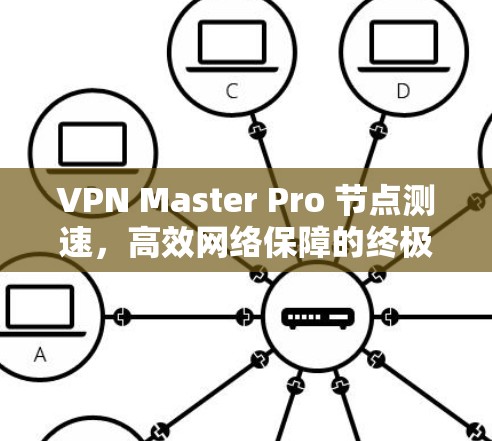
- Client Side: The user, who connects to the VPN using a computer or smartphone.
- Server Side: The main network hosting the VPN, providing a private network for data transfer.
-
Encryption:
Data is encrypted to prevent interception and ensure secure transmission. Common encryption methods include Cipher, Substitution, and Transposition.
-
Types of VPNs:
- Public VPNs: Allow access to the outside world, but are not secure.
- Private VPNs: Offer privacy, with flavors like Tunnel, Onion, and Radius.
- Radius VPN: Allows connecting to a private network without traditional ISP access.
-
Differentiation in Security:
- Basic vs. Advanced Encryption: Basic uses simple methods, while advanced uses secure algorithms like AES.
-
Setting Up a VPN:
- Can be free with no internet connection or require active connection.
- Features include encryption, traffic analysis, and auditing.
-
User Interface:
Accessible with a logo and intuitive settings, crucial for ease of use.
-
Advanced Features:
Includes monitoring, tracking, and audit logging for enhanced security.
-
Performance and Reliability:
Performance varies, with some handling peak traffic smoothly.
-
Legal Considerations:
Subject to legal regulations in various countries, with some restrictions on usage and data protection.
-
Future Evolution:
Ongoing developments may include more secure and advanced technologies, shaping the future of VPNs.
In summary, a VPN offers secure, private internet access with various flavors, encryption levels, and features, tailored to user needs and security requirements.

 唯舞独尊
唯舞独尊